There are few pleasures more divine for the soul than reading a book and being fully swept into the pages. For me, the experience is even richer when the book you read and the place you are reading it align; a gothic novel in the autumn breeze of October, or Agatha Christie beside a winter fire with the lights dimmed - so immersive you feel a warmth in your heart and at times, the sweat on your palms.
There are few pleasures more divine for the soul than reading a book and being fully swept into the pages. For me, the experience is even richer when the book you read and the place you are reading it align; a gothic novel in the autumn breeze of October, or Agatha Christie beside a winter fire with the lights dimmed – so immersive you feel a warmth in your heart and at times, the sweat on your palms.
That’s the essence of literary travel: stepping into landscapes that inspired great stories, where imagination and the physical converge. Here are 5 literary landscapes in England to dream about visiting this autumn.
1. The Haunted Moors of Dartmoor and The Hound of the Baskervilles by Arthur Conan Doyle
The year was 1901. Arthur Conan Doyle was staying in Devon when he first heard tales of a ghostly hound that was said to roam the wild moors of Dartmoor. It was this local legend that inspired one of the most beloved gothic classics, The Hound of the Baskervilles.
Photo by Elliot Martin on Unsplash
The beautiful moors of Dartmoor act as a character in their own right. As the fog rolls in thick and sudden, peat bogs suck at the weary traveller’s boots, and granite tors loom over the moorland.
Photo by Spencer Dowdeswell
The wonderful thing about Dartmoor is that the landscape has scarcely changed since Holmes and Watson roamed the moors in search of answers. Walk across the moors, with the wind whipping at the hem of your coat and you’ll be praying you don’t meet “an enormous coal-black hound”.
Where to stay? The Two Bridges Hotel in the heart of Dartmoor on the banks of the West Dart River. Or the Three Crowns in the medieval town of Chagford.
Where to go for coffee? A hub of activity for locals and visitors alike, Cafe on the Green is the perfect place to stop for coffee, cake, or a hearty lunch before heading back onto the moor.
Where to buy a book? In the town of Okehampton, you’ll find independently owned bookshop Dogberry and Finch.
2. The Gothic Village of Whitby, Dracula by Bram Stoker
Bram Stoker first visited the village of Whitby on the Yorkshire coast in 1890. It would the first of many visits to the area. As Stoker roamed the hills surrounding Whitby, he no doubt took in the gothic ruins and swooping bats within the broken church walls, all providing ample inspiration for a character he had been developing, Count Wampyr.
Stoker would return again and again to the atmospheric village while writing his famous, gothic novel Dracula in 1897. In the book, Stoker himself locates the opening of his tale in Whitby and the town’s harbour.
Photo by Phil Hearing.
“The valley is very deep and very green, and it is so steep that when you are on the high land on either side you look right across it… Right over the town is the ruin of Whitby Abbey, which was sacked by the Danes, and which is the scene of part of Marmion, where the girl was built up in the wall. It is a most noble ruin, of immense size, and full of beautiful and romantic bits.”
Mina in Dracula
On 8 August 1890, Bram Stoker wandered across Whitby and stepped into the public library. It was there that he discovered across the 1820 history by William Wilkinson, a British consul in Bucharest. In its pages he found the story of a brutal 15th-century prince, Vlad al III-lea Țepeș, more commonly known as Vlad the Impaler, famed for his brutal acts; impaling his enemies or as legend has it, dipping his bread into the blood of his victims.
Wilkinson noted that this prince was known as Dracula and added a chilling footnote: “In the Wallachian language, Dracula means Devil.” Stoker copied the name into his notes, alongside the date.
Whitby Abbey, Photo by Shuo WangWhere to stay?The White Horse & Griffin – Stay in one of the oldest buildings in Whitby and settle in with a pint or a plate while you imagine the seafarers and smugglers regaling the inn’s patrons with stories of the sea. You can even bring your dog along for the fun.
Where to go for coffee?Chapel on the Hill is just a short walk from Whitby Abbey and an absolute must-visit. Housed in a converted chapel with soaring arched windows and sweeping views over the harbour, it’s the kind of place where you half-expect Dracula’s black dog to slip from the shadows as you sip your flat white.
Where to buy a book?The Whitby Bookshop has been an independent, family bookshop since 1985, the perfect place to pick up a copy of Dracula.
3. The Windswept Moors of Haworth, Yorkshire, Wuthering Heights by Emily Brontë
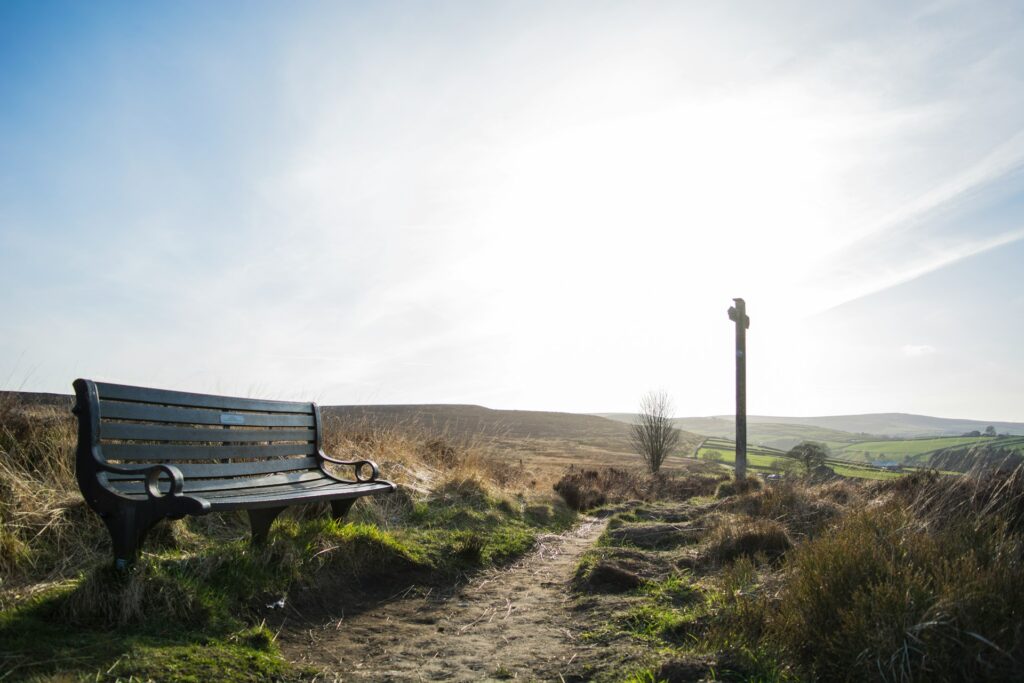
The three Brontë sisters (Emily, Charlotte and Anne) found profound inspiration from the bleak and windswept moors of West Yorkshire, particularly in the area of Haworth. The location would prove integral to Emily Brontë whose only novel, Wuthering Heights, is heavily set there.
Photo by Emma Lyon
The area is often referred to as Brontë country, and today, visitors can walk the same paths and experience the rugged beauty that inspired some of England’s greatest literary works.
Photo by Rachel Penney on Unsplash
The Bronte sisters lived in the Parsonage, which still watches over the cobbled main street. Visit the Parsonage museum and witness the churchyard lined with crooked stones and the moors stretching out endlessly into the horizon.
Where to stay?The Black Bull pub is one of the oldest establishments in Haworth, sitting high up on the main street since the 16th century. The Brontë sisters’ brother, Branwell, who frequented the premises, would supposedly often sit with locals and travelling folk recounting tales and stories. When his family came looking for the inebriated Branwell, he would escape via a nearby graveyard before entering the Parsonage through the kitchen window.
Where to go for coffee? If you stay at The Black Bull, you can stroll across the street to Cobbles and Clay for your morning cup of caffiene. The arty cafe has been open since 2006, also operating as a pottery painting studio in the heart of Haworth. Shout out for their dairy-free, gluten-free, and vegan options.
Where to buy a book?Brontë Parsonage Museum – As well as being a fantastic museum experience for Brontë lovers, the museum houses a beautiful curated collection of books.
4. The Golden Lakes of Cumbria, Wordsworth & Beatrix Potter
As the leaves turn to flaming reds and golds, the Lake District begins to look like a painting, it’s no wonder both William Wordsworth and Beatrix Potter found their muses in the unspoilt landscape.
Photo by Jason Hudson on Unsplash
Wordsworth wandered these lakes and hills, turning their beauty into poetry that would change English literature forever. His home, Dove Cottage in Grasmere, is still preserved, with stone walls, low ceilings, and a garden that bursts with colour. From there, you can walk along the shores of Grasmere and Rydal Water, the same paths that inspired lines about daffodils, clouds, and of course, wandering hearts.
100 years later, Beatrix Potter settled into Hill Top, a 17th-century farmhouse in Near Sawrey. This is where the famous rabbit, Peter, would spring from her imagination, down the garden path and into Mr McGregor’s vegetable patch. From Potter’s mighty imagination came ducks in bonnets, adventurous kittens, and frogs who poled across lily ponds.
Where to Stay On the edge of Grasmere village, you’ll find the gorgeous Rothay Garden Hotel with lakeside views and the River Rothay running right beside the property.
Where to go for CoffeeChester’s by the River is the place for good food, cakes, riverside views, and a relaxed atmosphere as you sit amongst the locals toing and froing on their errands.
Where to Buy Your BooksSam Read Bookseller in Grasmere is an independent shop dating back to 1887, still stacked with poetry and love letters to the surrounding lakes. Perfect for picking up Wordsworth’s verses or Potter’s illustrated classics before heading out into the autumn air.
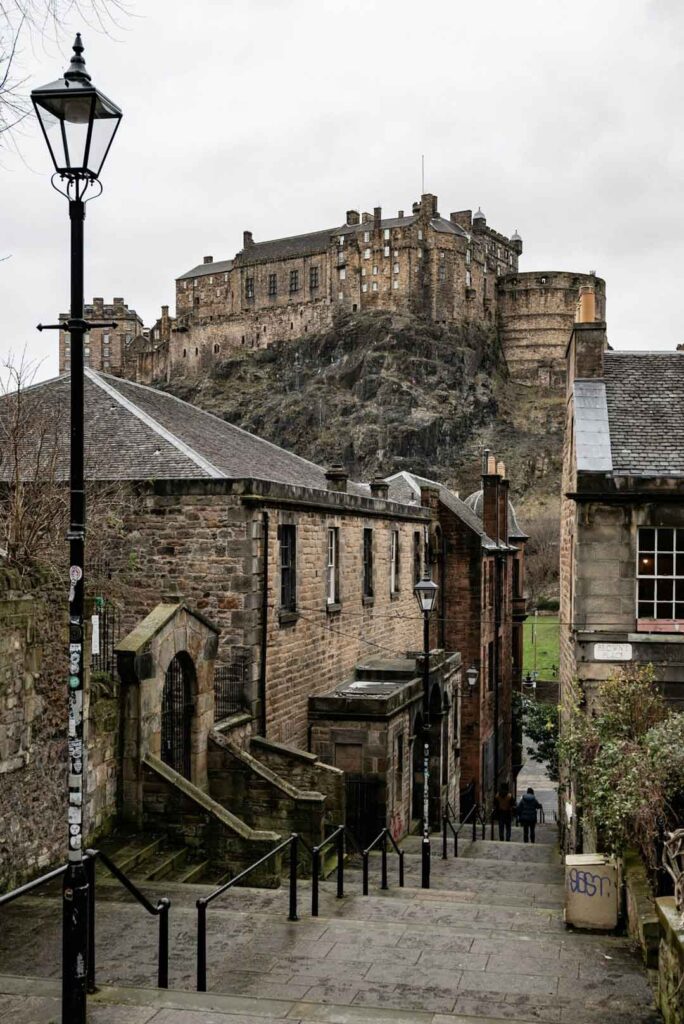
5. The Steep Alleyways of Edinburgh, The Strange Case of Dr Jekyll and Mr Hyde by Robert Louis Stevenson
Though the story is set in London, Robert Louis Stevenson grew up in Edinburgh, and it is believed his story was influenced by the notorious local criminal, William Brodie, aka Deacon Brodie.
Photo by Peter Cordes on Unsplash
Brodie was a well-respected cabinet-maker and city councillor by day, but by night he was a gambler, burglar, and gang leader. He even used the keys he made for wealthy clients’ locks to sneak back in the cloak of night and rob them. Eventually, Brodie was caught and hanged in 1788 on a gallows he himself had helped design. Talk about something coming back to bite you in the…neck.
Photo by Ross Findlay on Unsplash
Robert Louis Stevenson spent much of his youth in the city, and Edinburgh was a living metaphor for the split personality that the novel explores. On one side, you had the New Town, all wide streets and Georgian elegance. On the other, the Old Town with an underworld thriving amidst narrow wynds of brothels and taverns.
Where to Stay There are endless options for accommodation in Edinburgh, with the Old Town being particularly spectacular. The Grass Market Hotel on the corner of Grassmarket Street will put you in the hub activity.
Where to Grab a Coffee Collect your morning coffee and pastries in the cute little The Hideout Cafe, a stone’s throw from Edinburgh Castle.
Where to Buy Your Books Again, too many to choose from, but I’ve decided to go with the award-winning and independently owned The Edinburgh Bookshop.

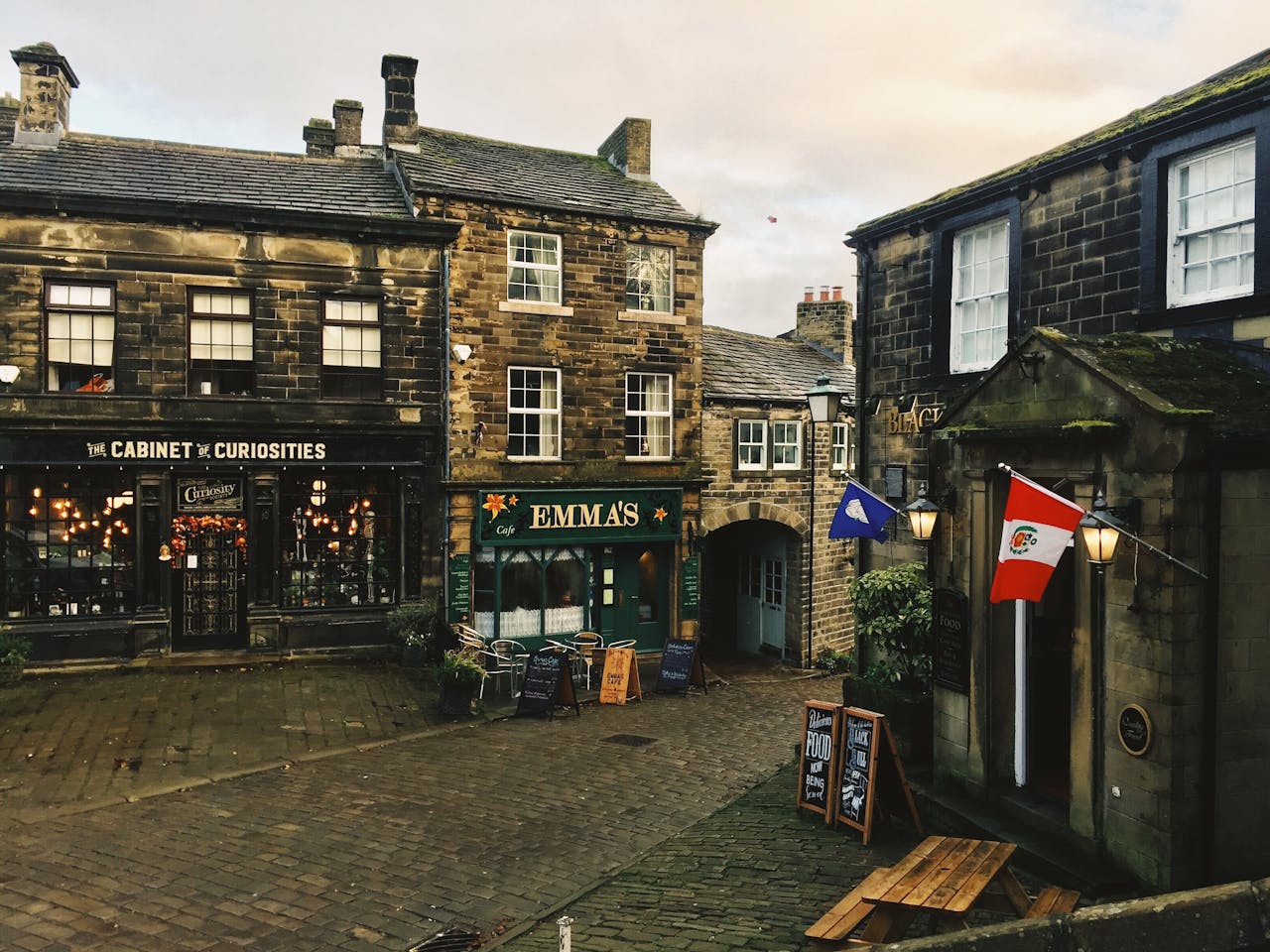
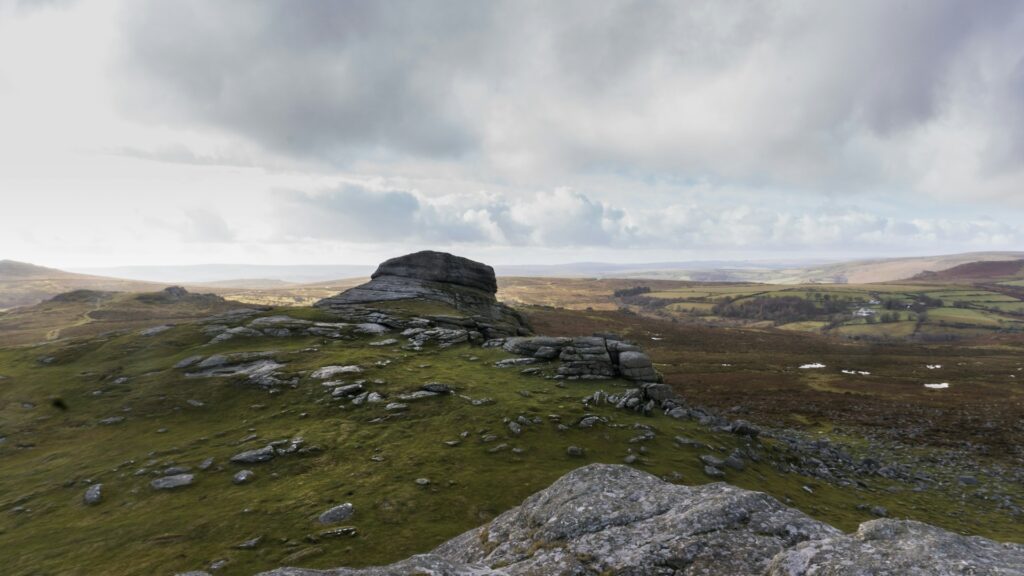
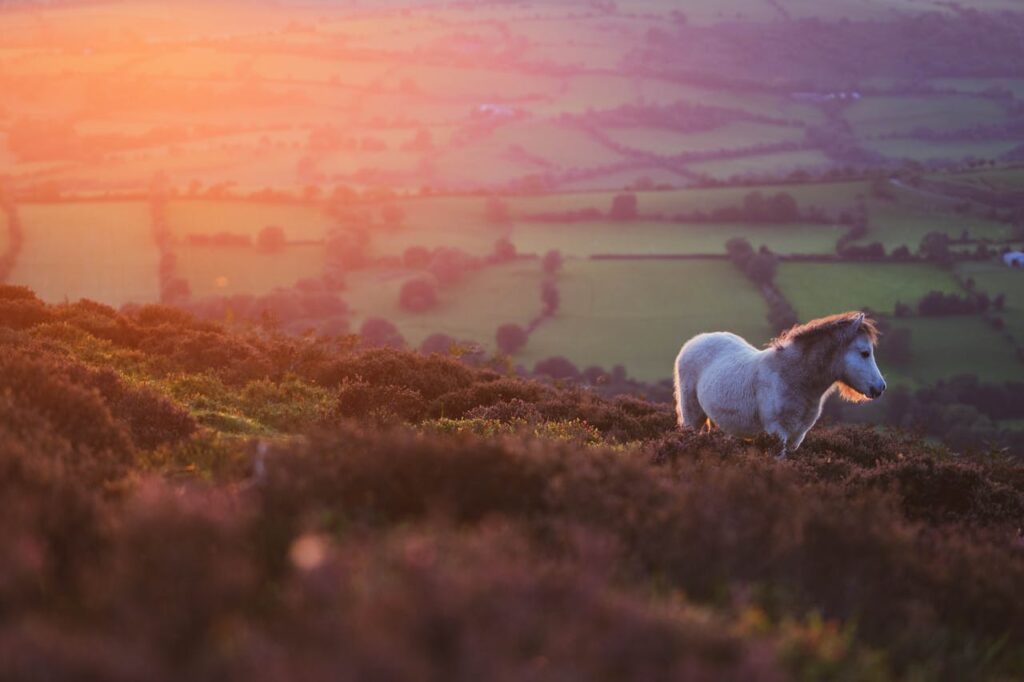
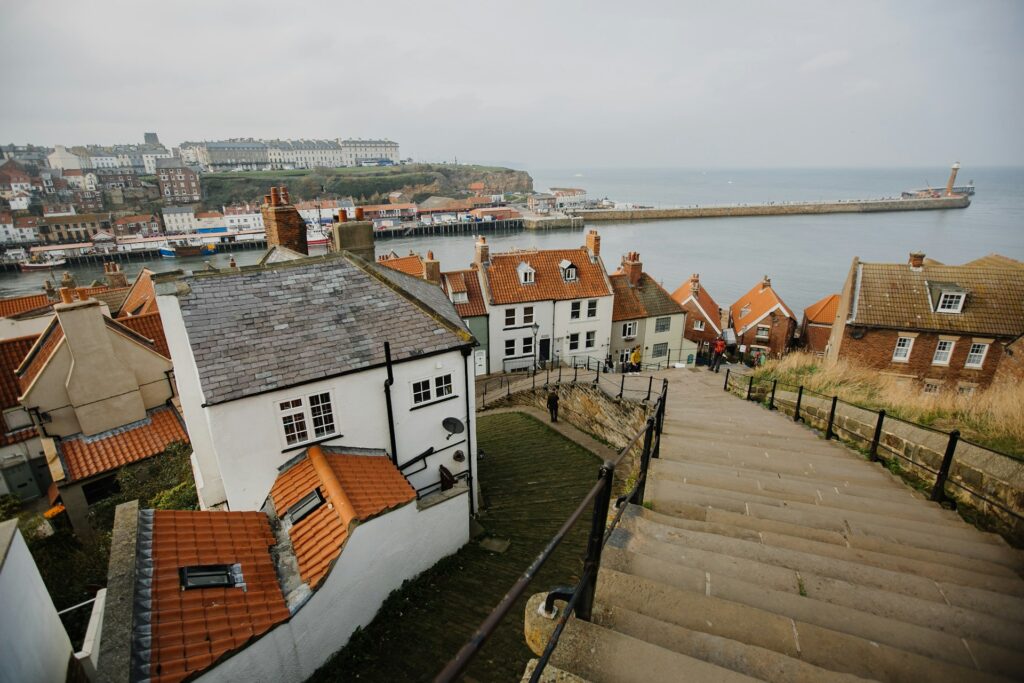
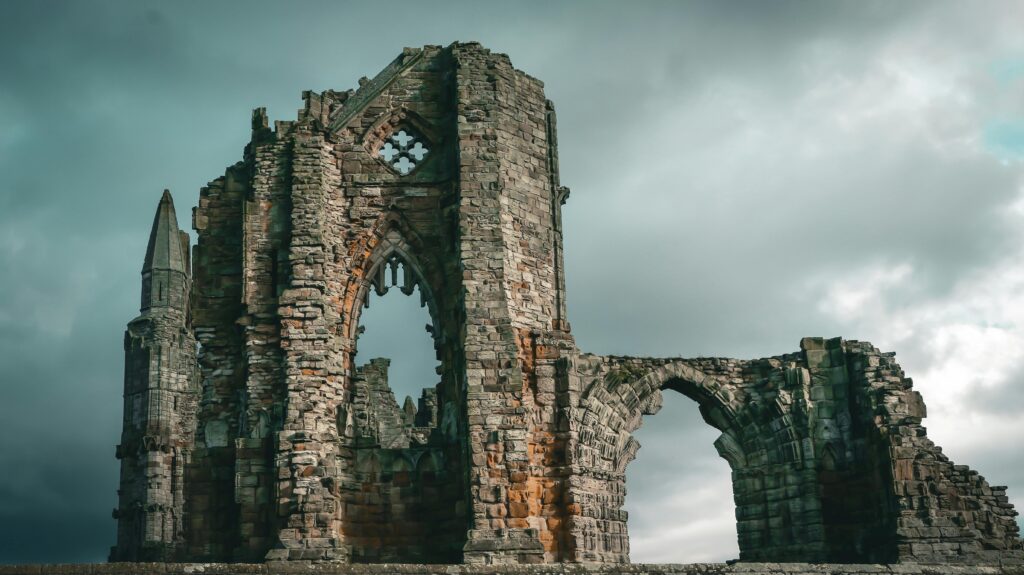
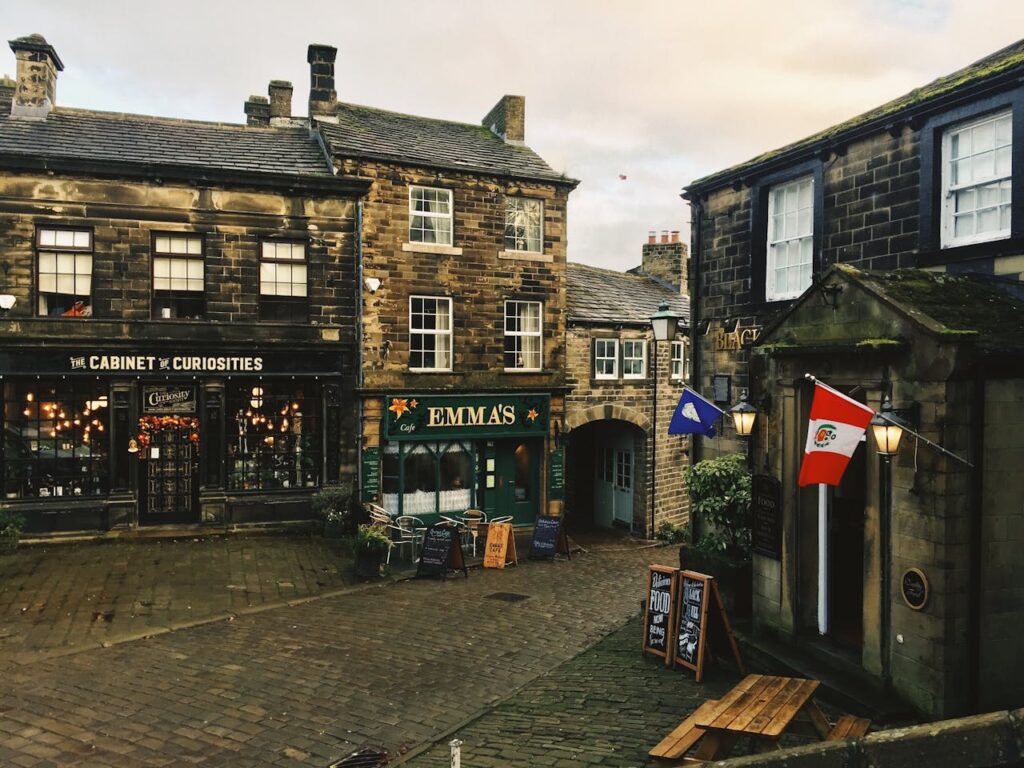 Photo by Emma Lyon